
Medicare Annual Open Enrollment: What to Start Planning Now!

When is it? OCTOBER 15th through DECEMBER 7th
As the end of the year approaches, so does Medicare’s Annual Open Enrollment. Every year, the Open Enrollment runs from October 15th through December 7th. Changes that are made during this period generally begin January 1st. By preparing before October 15th, you will have more time to review your information without feeling rushed.

You might even think, “I don’t need to change anything”. Even people who are satisfied with their coverage should review it because Medicare plans can change annually. A plan that worked well last year may not be the best choice for the upcoming year.
Think of this time as having one goal. That goal isn’t just to automatically change plans but to ensure that the current plan you have will continue to fit your healthcare needs and budget. And if it doesn’t, this is the time to make that change.
Why Your Current Plan Still Deserves a Review
Like mentioned previously, this enrollment period is designated as a time for beneficiaries to review their plan and make changes if necessary. Even if you are happy with your current Medicare coverage, it is still important to review your plan each year. Medicare plans can change, and the plan that worked well for you this year may not provide the same coverage or costs next year.
Some common plan changes include:
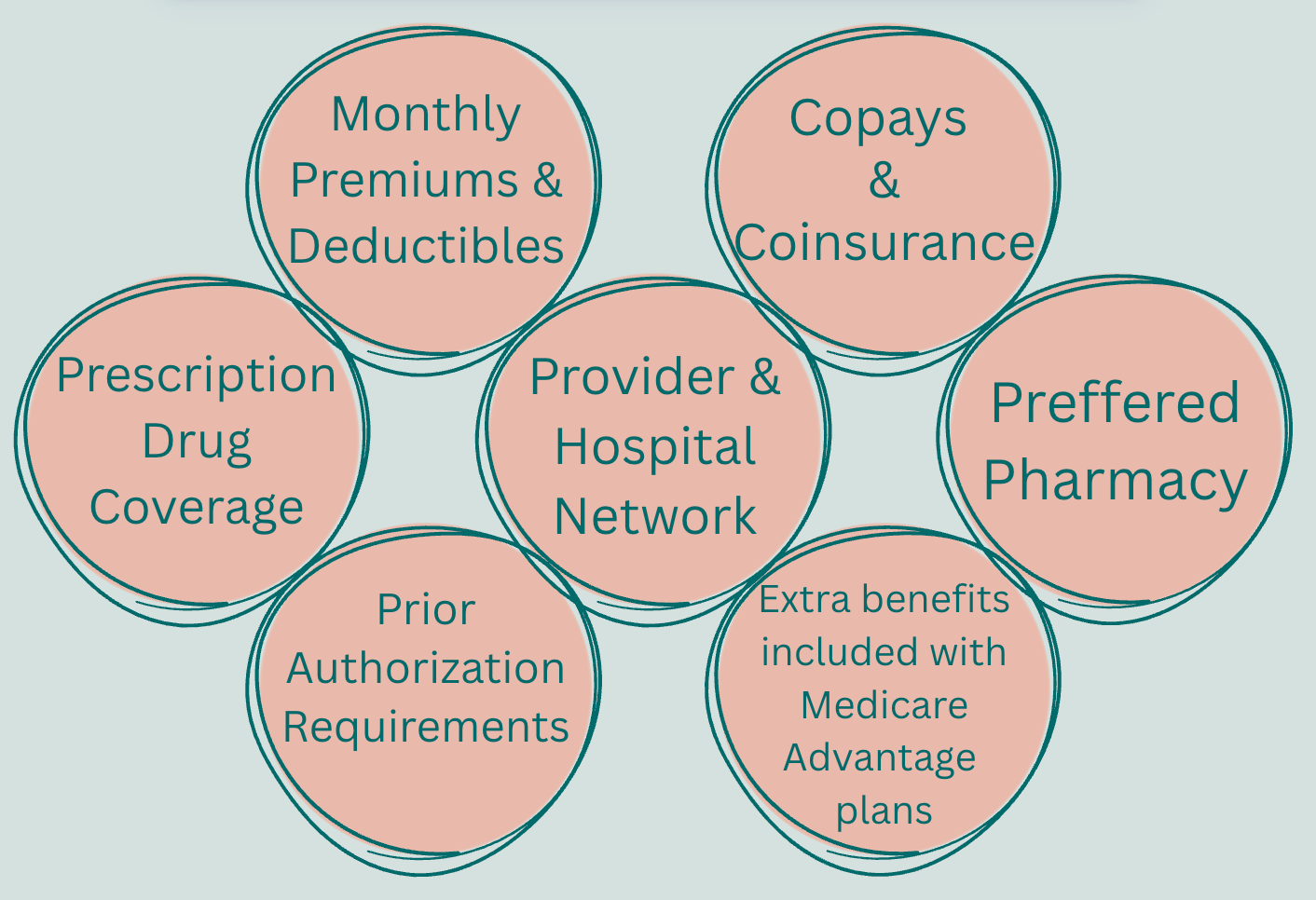
Your personal healthcare needs may have changed as well. Perhaps you started taking a new medication, began seeing a specialist, received a new diagnosis, or maybe you’re preparing for an upcoming procedure. Changes involving travel, seasonal living, caregiving, or home care needs may also affect which coverage works best for you.
Reviewing your plan does not mean you have to switch. It simply helps you confirm that your coverage still fits your doctors, prescriptions, healthcare needs, and budget for the year ahead.
Who Can Make Changes During Open Enrollment
Open enrollment gives those with Medicare the opportunity to make changes to their current coverage, whether it's health or prescription drug related.
Depending on the current coverage you have, you may be able to:

The changes you make really depend on your situation. Each person's options are different. So what might be a great decision for you, might not be the same for a friend.
Another key thing to remember is that Medicare Supplement (Medigap) policies also have different enrollment rules as well. A change in Medigap policy is not automatically guaranteed. The enrollment rules for changing policies also vary depending on the state you are in as well. If it is something you are interested in considering, this is where the planning becomes crucial.
Take the time to consider your eligibility, timing, and available options is all apart of the process and it is something I can very much help you fully understand.
For more interest as to the basics of Medicare and Medicare Advantage, click the link below to read a previous blog that goes more into depth on this topic!
Start With Your Annual Notice of Change
A very important document to review is your Annual Notice of Change (also referred to as ANOC). This is a document you receive each Fall and explains what will change in your current Medicare Advantage or Part D plan for the upcoming year. These changes may affect several of the costs, coverage rules, and benefits discussed in the previous section.
DO NOT throw this document away. When it arrives:

It is important when reviewing your ANOC to ask yourself one central question:
Will my current plan still fit my doctors, prescriptions, healthcare needs, and budget next year?
Finding a change does not automatically mean you need a new plan. However, it does mean you should take a close look at your options before the December 7th deadline.
What You Can Start Gathering Now
You do not have to wait until Open Enrollment begins to start preparing. Gathering your information ahead of time can make it easier to review your current coverage and compare your options without feeling rushed.

Medicare card and current plan identification card
Annual Notice of Change when it arrives
Current monthly premium and deductible amounts
An estimate of your recent out-of-pocket healthcare costs

A list of your doctors, specialists, and preferred hospitals
A current list of prescriptions, including dosages and how often you take them
Your preferred pharmacy or mail-order services
Any expected procedures, specialist visits, or changing healthcare needs
Keep these documents and lists together so they are easy to reference during your plan review. The more complete your information is, the easier it will be to determine whether your current coverage still meets your needs.
Knowing What Questions You Will Need to Ask
Once your information is gathered and organized, use it to look beyond the name or monthly premium of your plan. The right coverage should work with the healthcare services you actually use and the costs you may face throughout the year.
As you review your coverage consider asking:

You may find that your current plan is still the right fit. If something has changed, however, asking these questions early gives you time to understand your options and make an informed decision before the December 7 deadline. All plans enrolled during open enrollment will start January 1st of the following year.
What if you have a Retiree Health Plan?
First, a reminder for what a Retiree Health plan is. This is a type of coverage that comes from either a former employer, union, or retirement system that may work alongside Medicare.
If you see your plan has remained stable and is continuing to meet your need, changes may not be necessary for you during Open Enrollment. A consultation is really most helpful if your benefits, costs, prescription coverage, or provider access have changed, or if you are considering other coverage.
Independent Guidance, Centered on You
Medicare and health insurance decisions can feel overwhelming, but you do not have to sort through them alone.
At MyHealthGap, I work with clients one-on-one and provide independent guidance based on your healthcare needs, doctors, prescriptions, and budget. I do not receive commissions from insurance companies, so my focus is truly on helping understand your options and choose coverage that fits you.
Ready to get started?
Schedule a FREE 30-MINUTE consultation with me at MyHealthGap to get started.
Click the link above labeled "Schedule your FREE 30-MINUTE Consultation Here," email me at: amanda@myhealthgap.com.,or call 760.822.3325 to begin.

Together, we can begin sorting through your Medicare options with greater clarity and confidence!


Comments